
The Rise of Smart Cities: Technology Transforming Urban Living
Exploring how IoT, AI, and data analytics are revolutionizing urban infrastructure, making cities more efficient, sustainable, and livable for their residents.
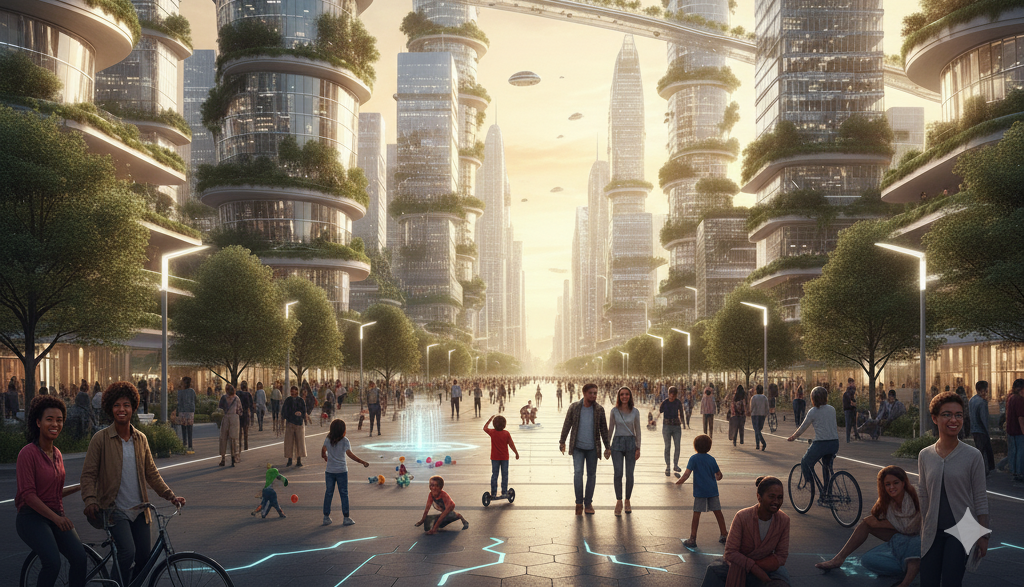
The Urban Revolution: Smart Cities Take Center Stage
As urban populations continue to grow, cities worldwide are embracing smart technologies to address complex challenges and improve quality of life. The smart city revolution is reshaping how we live, work, and interact with our urban environments.
The Foundation: IoT and Connected Infrastructure
At the heart of smart cities lies the Internet of Things (IoT) – a network of interconnected sensors and devices that collect and share data in real-time:
- Smart traffic management systems that reduce congestion and emissions
- Intelligent waste management with optimized collection routes
- Smart water systems that detect leaks and monitor quality
- Connected street lighting that adjusts based on usage and time of day
Data Analytics: The Brain of Smart Cities
The vast amounts of data collected by IoT infrastructure are transformed into actionable insights through advanced analytics:
- Predictive maintenance for infrastructure before failures occur
- Energy optimization across buildings and transportation networks
- Real-time emergency response coordination
Citizen Engagement and Digital Services
Smart cities are revolutionizing how citizens interact with government services and participate in urban governance:
- Mobile apps for reporting issues and accessing services
- Digital platforms for community feedback and participation
- Personalized alerts and information services
Sustainability and Environmental Impact
Environmental sustainability is a core pillar of smart city development, with technology enabling:
- Reduced carbon emissions through optimized energy use
- Improved air quality monitoring and response systems
- Smart green spaces and urban agriculture initiatives
Challenges and Future Directions
While the potential of smart cities is immense, several challenges must be addressed: privacy concerns, digital equity, cybersecurity, and the need for significant investment in infrastructure.
The future of smart cities lies in creating inclusive, resilient, and sustainable urban environments that enhance quality of life for all residents while protecting our planet for future generations.